Frozen Figs and Faithful Hearts: Why Jesus Cursed the Fig Tree
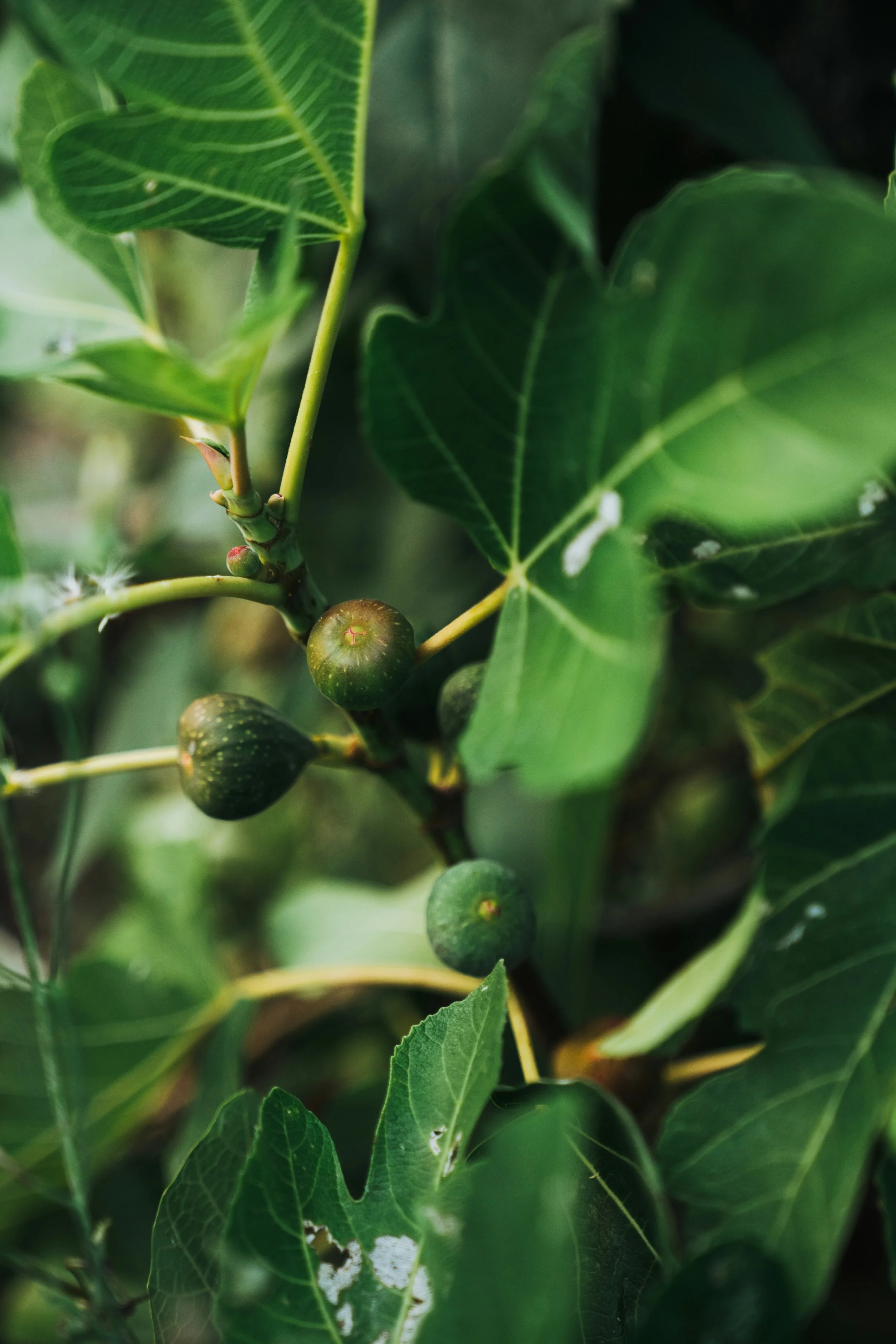
Photo by Pascale Amez on Unsplash
Dear Reader,
I wrote this short piece several months ago and have been unsure when the timing was to share it, or even if I should share it. It was a reflection I had that has prompted and guided my heart during this current season of my life. Seeing as it was the Gospel reading during the week, I decided to take the opportunity to share this delicate little reflection with you. Maybe it speaks to the season you are in now.
I hope you can harvest what you need now in this piece.
With love,
The Tale of the Young Fig Tree
My family have a young fig tree. I’ve often wondered how Jesus would react to it …
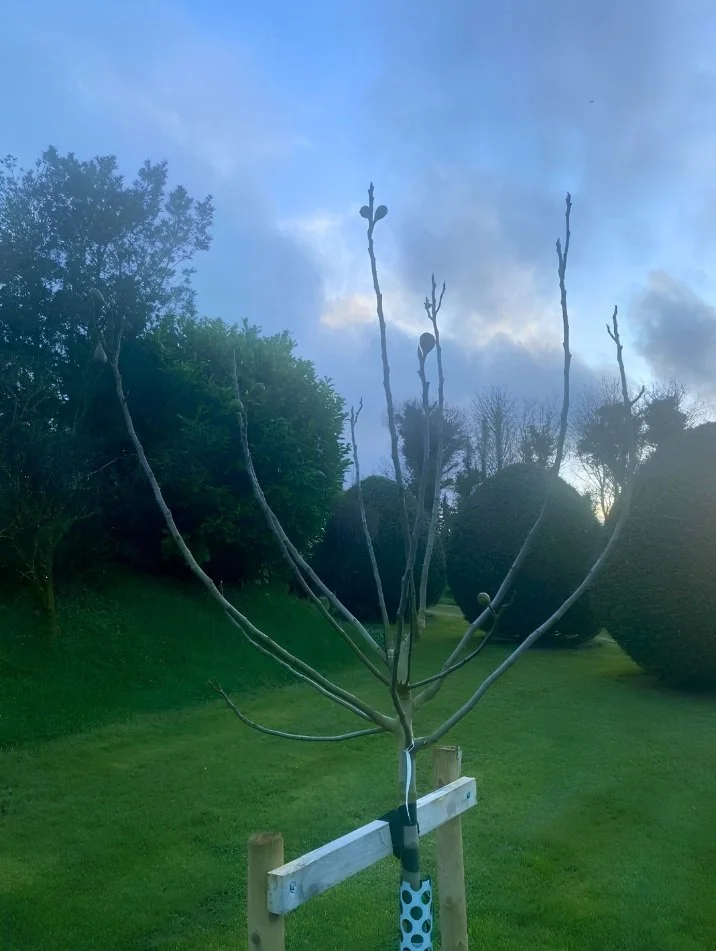
It’s not even two years old yet. While still a sapling, between August and September last year it bore some fruit. The few weeks leading into October of last year, we waited in anticipation for the fruit budding out, racing against the closing darkness of winter, but alas, they were no match against the winter’s resolute hand. They are still frozen to this day. A bare tree with some figs at the cusp of ripeness. You can see it for yourself in the photo below.
Yes, every time I pass it, I wonder if Jesus would have reacted as strongly to our dear little fig tree, bare and frozen, as he did to that unfortunate fig tree upon His entry to Jerusalem.
Until today.
The Season of Figs
A neighbour of ours who runs a business of planting and cultivating trees came to visit us. We were delving into conversation of the glories of the seasonal fruits, when I caught eye of my beloved fig tree peering into this delightful conversation. I took that moment to ask him what the future looked like for this dear tree. Without hesitation he answered:
“Harvesting time for figs is the end of August, when the season for figs ends. But they begin to seed and bud for the next year by the end of the fig season. Those figs on your tree you see will be ready to harvest by the end of this summer.”
With this, I ran to my Bible and threw the pages open to Mark’s Gospel, to Chapter 11 from verse 12. Jesus has just entered Jerusalem in His final days leading to His passion - and He is hungry. He is looking for fruit.
In the distance He sees beautiful widespread leaves, unmistakably those of a fig tree! If there’s leaves, then surely there’s figs taking refuge from the Jerusalem sun! But as He brushes under the branches and searches high and low on the fig tree, He finds no fruit “for it was not the season for figs.” (Mark 11:12). And so, He curses the fig tree.
At this point, most of us might take a step back and say “Alright now hang on – give the tree a break! It’s not in season, why on earth could you hold that against it?” But remember, even if it’s not the season for figs, a fig tree will show its promise for harvest by the end of the season before. How devastating for Our Lord, seeing beautiful leaves bearing a sign of plenitude, but in reality – the tree was already dead. It just gave a false image of life. The tree, in the most deceptive way, was already dead. It was not producing its purpose. And Jesus cursed the tree.
Frozen Figs or Leafy Limbs?
I don’t think it’s coincidental that directly after this, Jesus marches straight to the temple for its cleansing. No doubt a multitude there dressed to the nines in robes of the highest quality of the time giving an image of righteousness, while the reality was leveraging their image for extortion. Like fig trees full of leaves, but showing no promise of fruit, Jesus made His purpose loud and clear that this was not what He was looking for. St. Peter echoes this later in his ministry as he calls the women of the congregation to “not adorn yourselves outwardly … rather let your adornment be the inner self with the lasting beauty of a gentle and quiet spirit, which is very precious in God’s sight.” (1 Peter 3:3-4)
How much confidence this should instil in us, that even if we feel we are not presenting to the world great merit or awesome pursuits, that we, are very precious to Him by allowing Him to foster in use quiet and gentle trust. As a fig’s growth is quiet and gentle, so should be our interior life. We are presented indeed with the proposition of preference; do we prefer to present as frozen figs awaiting in quiet confidence our season to grow, or with leafy limbs, that bellow loudly to the world of our progress, while in reality, not having a single seed available to nourish others in love and virtue?
The Promise of Fruit
I look at my own little fig tree. It has no leaves. It’s bare. And yet, because of its buds it holds a promise – there will no doubt be fruit at the end of the next summer.
We may look at our souls, and maybe it looks a lot like this humble fig tree of mine. Maybe you haven’t seen growth, maybe it seems that our progress is at a standstill, but what Jesus is looking for is the promise of growth, not immediate product. He is looking for faith in Him. That even when all seems frozen, and we are stripped bare, that we are in fact preparing for the time of harvest. How beautiful to know that Jesus is not concerned about our image or presentation of growth, but rather in rawness, that we bear our hearts before Him.
“Have Faith in God”
When the apostles marvelled at seeing that the tree withered to its root, Jesus responds with this – “Have faith in God.” (Mark 11:22). And not only this, faith without doubt. The call is to have absolute faith in God’s provision, the one who gives all who look to Him for their food in due season (Psalm 145:5). Do not be alarmed if you are uncertain if your own soul is yielding fruit, rather, call on Him and look to Him in faith. Do not take your eyes off Him. He is the one who bears fruit in your soul. Do not try covering it up with the leaves of performance or inauthenticity. Look to him who tends to your soul with such tenderness and compassion. Perhaps it is not the season for figs. But just look to Him, pour your tears out to Him, take peace in him, and wait with Him who is faithful until the harvest time. How wonderful and full of joy when your harvesting season arrives, when you will no doubt reader, be filled in wonder to find that He was in fact preparing the fruit you harvest now, from the season of stillness before.